
- Rice Cookers & Multicookers
-
-
Shop America’s #1 Rice Cookers & Multicookers
Rice cookers and Multicookers come in all shapes, sizes, and colors to suit your needs and cooking styles.
-
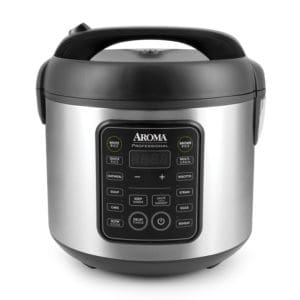
- Digital Rice & Grain Multicookers
-
Versatile and easy-to-use, these cookers can steam meats, vegetables, rice and grains.
-

- Rice & Grain Cookers
-
Restaurant-quality rice, soups and stews, and delicious one-pot dishes.
-
-
- Countertop Cooking
-
-
Countertop Cooking
Preparing a home cooked meal just got easier with these Aroma countertop products.
-
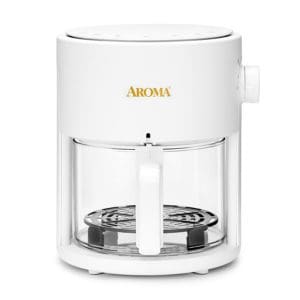
- Countertop Oven
-
Offering options to slow roast or air fry your meats and meals to perfection.
-

- Electric Woks & Hot Pots
-
The perfect way to enjoy a hot pot feast at home with family and friends.
-
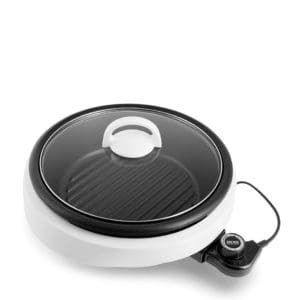
- Indoor Grills
-
Grill sizzling steaks, stew one-pot wonders, or sear any vegetable to perfection.
-
-
- Tea & Coffee
-
-
Tea & Coffee
Perfect for soothing tea, instant coffee, hot chocolate, a cup of noodles, or a hearty helping of oatmeal.
-

- Coffee Makers
-
Grind your own beans and create your own espressos, cappuccinos, or lattes.
-
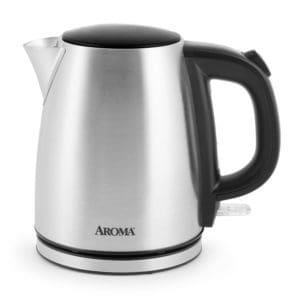
- Electric Kettles
-
Boil water much faster than on the stovetop or use the Keep Warm mode.
-
-
- Cookware
-
-
Cookware
Whether you want to stew, bake, or slow cook, with these classic cookware products you can cook your favorite dishes to perfection.
-
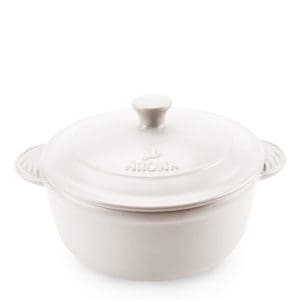
- DoveWare®
-
Made of a safe, non-toxic, and PFOA free clay to ensure clean cooking and tasty food.
-
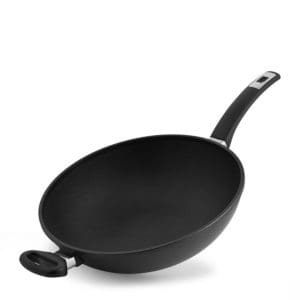
- Ultimate Wok®
-
Made with a diamond reinforced nonstick coating that makes for simple searing and easy cleanups.
-
-
- Specialty Products
-
-
Specialty Products
Our range of cooking appliances and gadgets can transform your kitchen into a convenient culinary paradise capable of creating restaurant quality dishes.
-
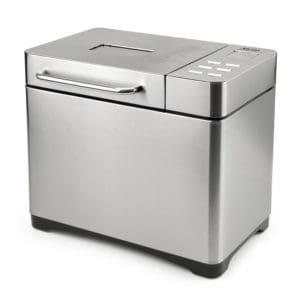
- Bread Makers
-
Delicious homemade bread has never been easier to prepare. Bake to your exact preference.
-

- Breakfast Makers
-
Shop waffle makers, juicers, and tools for quick, tasty breakfasts.
-
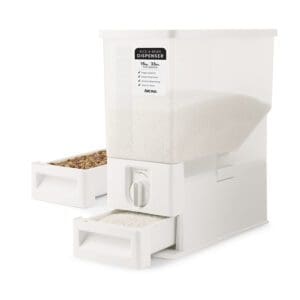
- Food Storage Container
-
Keep your rice, grains or beans fresh with longevity.
-
-
Boil, Simmer, Steam: TikTok Just Discovered Water-Based Cooking
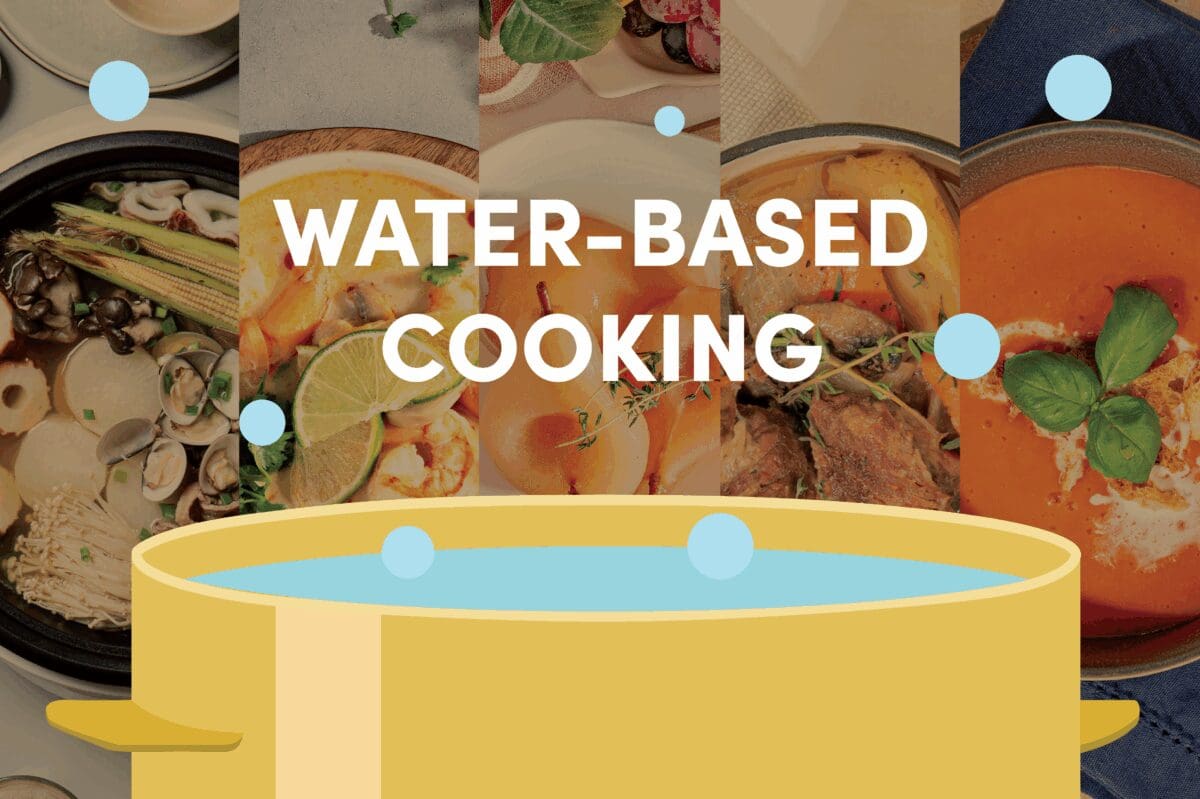
“Water-based cooking” is one of the newest kitchen trends on TikTok, and the internet’s response has been split. While many amateur cooks eagerly requested product recommendations and recipes for water-based cooking, most critics scoffed and teased–you mean, soup?
What is water-based cooking? Is this the future of healthy home cooking or just a trendy new term?
Spoiler: it’s nothing new, but there are lots of reasons (and exciting recipes!) to hop on the trend:
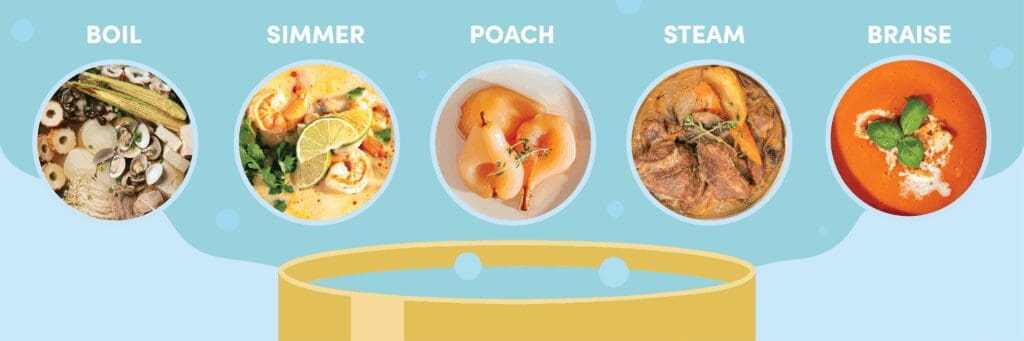
Water-Based Cooking: 5 Familiar Traditions
Let’s demystify “moist heat” or “water-based cooking methods” with a few familiar terms: boiling, simmering, poaching, braising, and steaming.
This guide will teach you how to cook with water and why!
Boiling
Boiling means fully submerging and cooking food in water at 212°F. You can use a thermometer or just watch when it happens—a full, rolling boil creates lots of bubbling. It’s best for pasta, starchy vegetables, and eggs.
Tip: For veggies that grow in the ground (like potatoes), add them to the pot of cold water before heating to a boil.
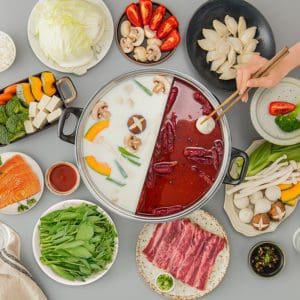
Try it: authentic Chinese hot pot at home
Simmering
Simmering cooks food gently in water or broth between 185–205°F. This submerged cooking method is preferred for soups, stews, and grains because it helps soften fiber and amplify flavor without aggressively boiling.
Tip: If bubbles are too vigorous, reduce heat until just a few small ones rise to the top.
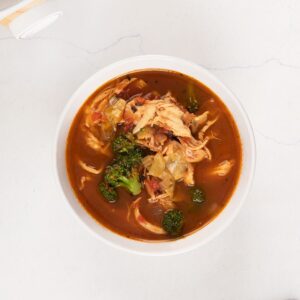
Try it: fire-roasted southwest chicken soup
Poaching
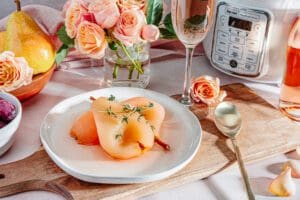
Poaching is the go-to moist cooking method for delicate proteins like chicken, fish, and eggs. Fully submerge your food in a liquid and hold the temperature just below a simmer, around 160–180°F.
Tip: The liquid should look like it’s just about to start simmering, but not quite yet.
Try it: delicate rosé poached pears
Braising
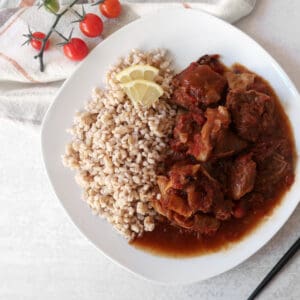
Braising is a two-step method, so you’ll sear protein first with hot, dry heat, then cover with liquid to simmer and cook slowly. This low-and-slow cooking method is perfect for tougher cuts of meat and hearty, fiber-rich vegetables.
Tip: Fight your urge to lift the lid. You’ll want to maximize moisture with trapped steam!
Try it: hearty braised tomato beef stew
Steaming
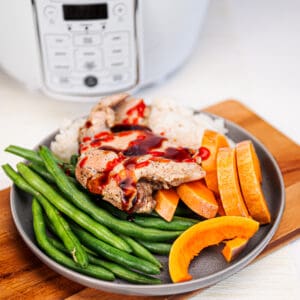
Steaming uses vapor to cook food with a steamer basket or tray above boiling water. Because this cooking method doesn’t directly touch the water, you can preserve more water-soluble vitamins and nutrients!
Tip: Don’t overcrowd the steamer basket. It works best with space to circulate!
Try it: fresh steamed chicken & veggies with rice
Healthier Eating with Water-Based Cooking
As a side note, influencer @drmichelledavenport coined the new term “water-based cooking” but her inspiration stems from traditional Asian family recipes. Steaming isn’t new; it has been around for at least 5,000 years. The nutritional science, however, is newer—within the past decade.
She argues that cooking with dry heat at high temperatures creates more advanced glycation end products (AGEs), compounds that may crosslink with protein or cause inflammation in the body. That’s one of the trendy, viral promises behind Davenport’s content: water-based cooking recipes have the power to slow aging.
No matter how you feel about the idea of slow-aging food with fewer AGEs, there are lots of well-established reasons to cook with water using the methods listed above:
- Add nutrients by cooking with water-based stock or broth
- Reduce fat with no added oil or cooking grease
- Remove fat by gently melting off fat with rising steam
- Improve digestion by breaking down tough fiber during boiling
- Protect water-soluble nutrients through steaming or stewing